Showing posts with label champagne. Show all posts

02 September 2009

Bottles made of sand

[mustang & vines]The current state of the wine business is enough to drive anyone to drink. Consider, for instance, this report from France:

French wine and spirits exports fell by almost a quarter in the first half of 2009…Champagne sales plummeted by 45% in value with Bordeaux declining 24%...Burgundy exports fell 30%

That last number might also be slightly elevated by the ongoing, and as yet not convincingly solved, premature oxidation issue affecting some of the region’s whites, but I suspect the majority of it is a simple matter of (over)supply vs. (under)demand.

In Champagne, however, they have a plan:

With sales falling, producers may be ordered to leave up to half their grapes to wither on the vine in an attempt to squeeze the market. Merchants are pushing for an historic reduction in yield as they seek to ensure that champagne remains an expensive luxury. “Everyone agrees that production has to be cut because no one here wants to see prices fall,” an industry insider said.

I suppose some might be moved to a fair bit of offense at the naked avarice of the folks who make Champagne, but I’m afraid I’m too cynical to be upset at this sort of thing anymore. And it is a good business/marketing decision, given what they sell is no longer wine (more on that in a moment).

But the news isn’t all bad. Referring once more to French wine:

The vin de pays category was less badly affected, while vin de table grew by 1.2%.

This matches what I’ve heard from retailers and restaurateurs: people are still buying alcohol, they’re just spending less when they do. But still, those drops in Champagne, Bordeaux, and Burgundy are dramatic. Aren’t these in-demand luxury products, with a worldwide audience and a steady stream of new buyers?

Yes. Therein lies the problem. Champagne, and to a slightly lesser extent Bordeaux, are not – in the market’s imagination – wines any longer. They’re luxury goods. They’re sold on their names and admired for the same reason, probably more than they’re admired for the contents of the bottles. Don’t believe me? Heed the source:

“Champagne is the drink of dreams and of parties,” [Patrick] Le Brun [chairman of the Syndicat Général des Vignerons de la Champagne] wrote in La Champagne Viticole, the trade magazine. “Its image, its universe are endangered when the term ‘crisis’ is associated too often with it.”

Note the absence of any talk of Champagne’s gustatory qualities. It’s all about the image, the prestige, the “event.”

This is a situation certain regions have engineered themselves. In boom times, it helps their sales, and – especially in Champagne – it neatly separates desirability from quality, making the former rather than the latter the driver of popularity (were that not so, people wouldn’t buy so much mediocre Veuve Clicquot). But as we’re now seeing, there’s a downside. People might remain true to a beloved beverage during hard times. But a status symbol? Those can be replaced, or abandoned, with ease.

On the other hand, not everyone suffers in a downturn:

The South African wine industry could face wine shortages within five years if sales continue to rise at the current rate, a leading South African producer has warned. In 2008, total exports increased 12% to a record 405 million liters but vineyard planting has not kept pace with increasing demand. Merwe Botha, financial director at Distell told decanter.com, “We need to look at the demand and supply situation. There are signs that in the next five years the industry could face shortages in supply. Producers have been under severe pressure because of margin and cash flow problems so they have not planted as much as they should have,” he added.

This was a topic of much angst last year when I visited South Africa. The ten-rand-to-the-dollar exchange rate that made the trip a ridiculous bargain has, for a while now, helped the wines make significant inroads into territory that once belonged to Australia, New Zealand, and California. But the too-cheap prices received by the producers have a significant downside, one that’s been plaguing South American countries as well: the money to plant (or replant, a significant issue facing a good number of South African growers), the money to upgrade facilities, and the money to work the market simply doesn’t materialize, even though the bottles themselves might be flying out the cellar door.

13 December 2008

Theise me

Were it not for genius importer Terry Theise, many Americans would have no idea that there were Champagnes other than the biggest, most heavily-marketed names. He was certainly, many years ago, the majority of my introduction to the concept of grower-producer bubbly. And yet, despite his efforts, most people still don’t know these wines, and continue to slog through underperforming industrial sparklers best-known for the color of their labels or their low, low holiday pricing (though in my opinion, such wines are still grossly overpriced for what they are; someone has to pay for those flashy promotions, after all). I don’t mean to damn all major-label Champagne, because some of it is very, very good. But far too much of it isn’t, and one pays for name, reputation, and global availability rather than what’s in the bottle.

These wines – all sparkling, mostly Champagne, but with two foreign interlopers from another of Theise’s favored locales – draw plenty of critical acclaim, and are of regularly high quality, but what’s always most interesting to me is their individuality and their difference. Champagne – at least the non-vintage sort – has (as its major marketers would have us believe) long been about consistency, and the big producers, whether industrial or not, achieve this with careful blending of young and older stocks. Smaller growers can rarely afford the sources, the expense, or the storage capacity to do the same, and the result is greater site-specificity and a variation more akin to that of vintage Champagne. For those who value a wine’s ability to surprise as much as it’s ability to satisfy, for those who value terroir as much as the winemaker’s art, this is an incalculable benefit. And here’s another: by exploring such wines, you’re not only upping both the quality and value of your bubbly, but you’re supporting a wine culture more connected to its land than its advertising budget.

Schloss Gobelsburg Brut “Reserve” (Austria) – A blend of pinot noir, riesling, and grüner veltliner. Wet and sour with green pear and apple. Finely beaded, with hints of gunshot. Leafy. Powdery, ground-level dust and extremely sour watermelon come to dominate the finish, like a too-old Jolly Rancher (but dry). Fairly complex, long, and very tart. (12/08)

Bründlmayer Brut Rosé (Austria) – Pink and soft, with electrified crystal flowers that re-soften on the finish. A bit girly in its pinkish Hello Kitty-ness. Spun candy on the finish. Frothy. I’m not a fan. (12/08)

[label]Pierre Gimonnet Champagne Cuis “1er Cru” Brut Blanc de Blancs (Champagne) – Striking nose of rainforest rocks and humidity. Huge lemon brioche (sprinkled with grapefruit shavings) on the palate. There’s excellent balance between bitterness and acidity. Massively long and frankly gorgeous, with skins dominating right now, and a very trebly midpalate that I expect to mellow with a little age. (12/08)

Pierre Peters Champagne à Le Mesnil-sur-Oger “Grand Cru” Brut Blanc de Blancs “Cuvée Réserve” (Champagne) – Heady toast and pastry, ripe lemon, and Granny Smith apple. Very powerful with a fine baring of its minerality on the finish. The nose is just a little weird…an odd mix of youthful and advanced characteristics that don’t quite gel. Perhaps in time. (12/08)

Goutorbe Champagne à Aÿ Brut “Cuvée Prestige” (Champagne) – Granadilla, crustacean cream, and paper over a chalky bedrock. Very spare and cylindrical in form, with a wall of minerality. Unfortunately, it never fills in, and never achieves any suggestion of grace. (12/08)

Jean Milan Champagne Oger “Grand Cru” Brut Blanc de Blancs “Spécial” (Champagne) – Delicate, with fine-grained crystals. Crisp but fullish acidity, ripe lime, and lots of molten metal…which hardens on the finish, driven through like a ramrod. Long and in need of time, despite the presence of lovely hints of maturity dancing around the aromas. (12/08)

[label]Jean Milan 2002 Champagne Oger “Grand Cru” Brut Blanc de Blanc “Sélection Terres de Noël” (Champagne) – Beautiful. Soft golden complexity, with a hint of curry dusting exotic flowers and heirloom apples. Very pure and gentle. Extremely long, eventually getting around to showing apples in every possible form, from flower to juice. Gorgeous. (12/08)

Gaston Chiquet Champagne “1er Cru” Brut “Tradition” (Champagne) – Wind-swept and cold, with rinds and hard-edged quarts. Frothy. Unconvincing in this company, and I’m surprised, because this is a wine I usually like. (12/08)

Marc Hebrart Champagne à Mareuil-sur-Aÿ “1er Cru” Brut “Cuvée de Réserve” (Champagne) – Brioche, yeast, mixed apples, and hints of stone fruit over paper. A bit frothy. Persistent. Just OK. (12/08)

A. Margaine Champagne à Villers-Marmery “1er Cru” Brut (Champagne) – At first, a perfect blend of fresh apple, grape, and sweaty yeast, with sharper slashes of lime sorbet later on. And then, it turns into a cherry-lime rickey. Vivid to the extent that it suggests neon, but clean, strong, and exceptionally long. One for the cellar, for sure. (12/08)

A. Margaine Champagne Brut Rosé (Champagne) – Ripe red cherry and cereal. Very balanced. Laser-like purity that softens just a touch more than I’d like as the wine lingers. Long, though. Steady-state. There’s potential here, but probably not enough to reach the pinnacle. (12/08)

Chartogne-Taillet Champagne Brut “Cuvée Sainte-Anne” (Champagne) – Very red-influenced, with ripe strawberries, rose hips, and leaves. Simple-seeming fruit is quickly followed up by waves of complex minerality (chalk seems to be the dominant component), and the finish is abundant with jewels and glitter. Very nice. (12/08)

René Goeffroy Champagne “1er Cru” Brut “Expression” (Champagne) – Almost minty, but at least herbal. Buzzes with electrically-charged freshness and static. Full of lovely gentility. Red-tinged fruit, but sprightly rather than deep. Fun. (12/08)

[label]René Geoffroy Champagne “1er Cru” Brut Rosé “de Saignée” (Champagne) – Sweet-glazed biscuit, fresh red fruit (strawberry, mostly…including the seeds). Pure and complex. There’s a fine foundation of stones ground into gravel, and a lovely, drying, mineral component to the finish. Very, very good, but far from its peak. (12/08)

Jean Lallement Champagne Verzenay “Grand Cru” Brut (Champagne) – Mist-shrouded but heady, with suggestions of animalistic wildness. Sauvage, perhaps, and that’s not something I’ve ever said about a Champagne not made by Selosse. Intense lemon-loam (as opposed to lemon-lime), clementine. Turns a bit unctuous as it broadens, and the finish is a bit of a disappointment in its lack of length. (12/08)

Jean Lallement Champagne Verzenay “Grand Cru” Brut “Cuvée Réserve” (Champagne) – Crushed strawberry and rather bodacious red cherry, leaves, and thyme. Smells fruit-sweet. Sizeable. Rolling watermelon rock candy on the finish, and then the tactile sensation of frozen metal to which one has unwisely stuck their tongue. I can’t quite figure this one out. (12/08)

Aubry Champagne à Jouy-les-Reims “Grand Cru” Brut Rosé (Champagne) – Tart cranberry somewhat overwhelms a core that leans more towards red and black cherry; this is a wine that leads with its acidity, and never takes its foot off the sour pedal. And is that hollyberry? Sharp and linear. Not really my thing; it’s more like an intermezzo that it is a beverage, though I suppose with the right accompaniment it could sing. Maybe an edgy berry dessert? (12/08)

05 July 2007

TN: Oger simpson

[press]Pierre Peters Champagne Le Mesnil sur Oger “Grand Cru” Blanc de Blancs Brut (Champagne) – Sharp, vivid and highly mineralized. A clean stroke of a very sharp sword slashes the palate with finely-honed metal and only the brightest of sun-reflecting lemon and apple. Yet there’s a firm, cold sort of generosity here, as a stern father loving with discipline rather than hugs This is a wine with something to say. (6/07)

30 June 2007

TN: Double bubble

[map]Jacquesson 1996 Champagne Avize “Grand Cru” Extra-Brut (Champagne) – Gorgeous fino-reminiscent esters on the nose, with a satiny texture (despite great acidity) and preserved lemon on the finish. This still has a ways to go, but it’s a terrific Champagne. (6/07)

Feuillatte 1996 Champagne Brut Rosé “Cuvée Palmes d’Or” (Champagne) – Mildly but pleasantly oxidized, but otherwise mostly flat, showing old strawberries and dead leaves. Definitely past its best drinking window. (6/07)

11 June 2007

TN: Just the Fiacre, ma'am

[label]Chartogne-Taillet 1996 Champagne Brut “Fiacre” (Champagne) – Geranium and sand, with funereal white flowers obscuring the nose. Eventually, the palate struggles through, showing tangerine, bleached cherries and a vanilla/marshmallow thickening on the finish. Interesting. (6/07)

10 May 2007

TN: Wine & Roses

J. Lassalle Champagne Chigny-les-Roses “1er Cru” Brut Rosé “Reserve des Grandes Années” (Champagne) – Extremely floral and very earthy, with cinnamon cap mushroom, cooked apple, and over-matured, baked strawberry dusted with clove. Flecks of metal swim about. This is brooding, long, lush and full, with a slushy froth. Every bit a red wine, despite the pink color and the bubbles, it’s fabulously complex and a solemn joy to drink. (5/07)

02 April 2007

TN: Aÿ, aÿ, aÿ

[vineyard]Roger Pouillon Champagne à Mareuil sur Aÿ “1er Cru” Brut Rosé (Champagne) – Overwhelmed by volatile acidity, so that the fresh strawberry fruit that would otherwise dominate turns awkward and clumsy. (3/07)

Egly-Ouriet Champagne Grand Cru Brut “Tradition” (Champagne) – A soft sea breeze over brioche, with black cherries at the core. There’s great acidity, but a big, aggressive body flashing neon banana leaves dominates all else. The wine grows from softness to sharpness as it finishes. Good, but a little showy. (12/06)

18 March 2007

A tale of three valleys (California, pt. 13)

[bridalveil fall](The original version, with more photos, is here.)

30 April 2006 – Yosemite National Park, California

A relaxing morning picnic in the shadow of El Capitan (no wine; there’ll be plenty later) followed by some lazy strolling around Yosemite Village and a long peruse at the Ansel Adams store and gallery, fill what is another beautiful morning in Yosemite. This is, truly, one of the very few places we’ve been that can match New Zealand for raw natural beauty, and it’s a little difficult to leave.

120 West is closed (rockslides, sinkholes, or some other natural feature of the California paradise), and so we’re forced onto a precipitous mountain crossing on our way out of the park. It’s a beautiful, if nail-biting, road that empties into towns right out of the mythic Old West, then continues into a verdant, ranch-covered stretch of the Central Valley. Modesto is…unfortunate…but the rest is a very pleasant drive.


Burlingame, California

Sheraton Gateway SFO – A serviceable hotel with a view of the San Mateo Bridge and the San Francisco Bay – which is not, especially from this position, one of the world’s great vistas – but that is, for us, no more than a bed proximate to the airport. We’ve got social plans, and stay no longer than it takes to chill some wine in the minibar.


Redwood City, California

Bill Futornick’s house – Bill’s gatherings feature terrific food and wine, but even better conversation. Of course, precious little of it is printable, which will surprise no one who knows him.

Jacquesson 1996 Champagne Avize “Grand Cru” (Champagne) – Dusty dried yeast and desiccated lemon zest. Clean and gorgeous, with a silky, enticing perfume. Complex and beautiful.

Soucherie 1995 Savennières Clos des Perrières (Loire) – Botrytis? Light wet chalk and fennel pollen mark a dry, but also dried-out wine that seems like it has given itself over to mold. Stick a fork in it, because it’s done.

Baumard 1995 Savennières Clos du Papillon (Loire) – White asparagus soup studded with cauliflower. There’s a strong, musty minerality underneath, and something that seems like low-level botrytis, but a grapefruity acidity adds zip to a long, interesting finish. Very good. It’s in no danger of falling apart, but if I had any more, I’d probably drink it soon; the balance of elements seems pretty appealing at this stage.

Edmunds St. John 2003 Viognier Rozet (Paso Robles) – Fat peach syrup, earth and pectin with almonds on the finish. Chunky. I suspect this wine’s greatest flaw is its company at this moment…higher-acid, leaner wines that make this seem heavier than it is.

Amido 2004 Tavel Les Amandines (Rhône) – Smooth orange, rose petal and strawberry leaf. Despite Tavel’s fame, I’m rarely much of a fan; ponderousness and/or obviousness are the flaws shared by most of what I’ve tasted, and then there’s the prevailing alcohol issue with southern French rosés. But none of those problems are in evidence here. Quite nice.

Roussel & Barrouillet “Clos Roche Blanche” 2002 Touraine Gamay (Loire) – Herb-infused earth and white pepper with a powdery texture. This wine reminds me of the same producer’s sauvignon in its dominance of terroir over variety, but it’s a little more varietally recognizable than the sauvignon; the gamay shows through with bright, red-fruited acidity. There’s good aging potential here, and I think the wine would benefit from more of it.

Lafarge 1998 Volnay “Vendanges Sélectionnées” (Burgundy) – Tannic, with red cherry and walnut peeking from beneath the iron maiden. There’s potential, perhaps, but wow is this tight, and I wonder if it will ever fully resolve.

Hudelot-Noellat 1999 Vougeot Les Petits Vougeot “1er Cru” (Burgundy) – Tight but gorgeous, with crisp balance and a lovely finish of surpassing length. There’s not much “fruit” as such, at least not at the moment, but one can almost feel it lurking in the background. Stay tuned.

Boutin “Château La Roque” 1995 Pic Saint-Loup “Cupa Numismae” (Languedoc) – Horse sweat and mustiness. Tight, tough and very, very hard. I’d hoped that after eleven years, this would be a little more engaging, but no such luck. Is it still closed, or dying? I’m at a loss.

Terrabianca 1990 “Campaccio” (Tuscany) – Red and green bell peppers, thick, dark cherries and herbs. The wood isn’t at all apparent, and this appears to be resolving towards something reminiscent of an urban Saumur-Champigny, though the finish is a bit more acrid than one would like. Still, for a super-anything, it’s fairly unspoofulated.

02 March 2007

TN: Bubble bubble

[logo]Laurent-Perrier Champagne Brut (Champagne) – Sharp and ungenerous, with dried lemon extract, apple skin, and a papery texture. (3/07)

Westport Rivers 2001 Brut “Cuvée RJR” (Southeastern New England) – Leaner than previous vintages, with light toasty/leesy aromas sizzling under a wan apple and walnut palate. Finishes a bit flat. (3/07)

09 February 2007

TN: Haus und Familie (Lorraine, pt. 2)

[German wall art](The original version is here.)

26 March 2006 – Thionville, Illange & Uckange, France

Frédèrique & Jean-Marie Burger’s house – Lunch with the relatives. Always casual. Always fun. Today, it’s pot au feu, and we soon join the family in deciding that potatoes swimming in broth are the best part of the meal. Ah, the cuisine légère of Lorraine…

Wolfberger “Belle Saison” Pinot Noir (Alsace) – Yes, it’s non-vintage. Light, crisp red cherry with lots of acid and minerals at the foundation. This functions more like a white wine with red fruit aromas than it does an actual red or rosé. It’s only just OK, but it’s probably better than the vast majority of Alsace pinot noirs that result from significantly more effort.

Edmunds St. John 2001 Syrah (California) – As is typical whenever I bring a domestic wine to France, the weight and heat are commented upon (negatively) by the natives. And maybe it’s the setting or the context, but this does come off just a touch hotter than usual: there’s strong leather, blueberry, black pepper, and a touch of sweet Scotch lounging in Sherry wood. It’s rather forceful, sure, but there’s good acid and a succulent juiciness that keep it tasty. I also note that, despite their reservations, my family guzzles it down.

We follow lunch with a walk around the old German fortifications on the small hill that crowns Illange.


Gaston & Claude Schwender’s house – Drinks with the relatives. More formal, more “classic” French. And also tinged with sadness, because these relatives are older and can’t really host meals anymore…which is a particular shame, as a lot of my formative French experiences were at this family’s table. Perhaps more relevantly, many of my most revelatory wine experiences were from Gaston’s cellar. Now, he can’t drink much (doctor’s orders), she can’t drink at all (ditto), and matters have reached the point of slow but inexorable decay. Loss is always with us, isn’t it?

Roederer 1997 Champagne Blanc de Blancs Brut (Champagne) – Intensely fresh lemon, ripe apple and yeast with sharp acidity and pulses of greater complexity and weight around a spherical, icy core. Striking.


Patricia & Bruno Fratini’s house – Dinner with friends (and relatives, who’ve been invited to join us). More great food, more wine. But I’ve reached the point where the smoke wears on me, and thus I start losing interest in the French that surrounds me; an interest I need to follow well enough to participate. Thankfully, there’s more music on the overhead projection screen; this time, a mix of seventies Americana (mostly the Eagles) and the always-entertaining Alain Bashung.

Louis Violland 1999 Pommard “La Pierre du Roy” (Burgundy) – Rough, sweaty and slightly athletic, with wild cherry, blackberry and light earth. It brightens with aggressive swirling. Nonetheless, it remains a somewhat surly wine, with its rough edges unfiled.

Pichon Longueville Comtesse de Lalande 1997 Pauillac (Bordeaux) – Cedar chest and fresh cassia with pine. It smells like Christmas. It’s also fairly tight, but swirling brings out some aromatics and more complexity, and the wine is probably just about to re-emerge in a burst of blackcurrant fruit. The finish is a bit of a sine wave that one must catch at zenith. This is a pretty good effort from a difficult vintage.

Wolfberger “Belle Saison” Pinot Noir (Alsace) – Take two. And in this company, much stranger and less appealing than before: fish and crushed minerality with skin bitterness and a flat finish. Moral: drink it first, then move on to better things.

24 January 2007

TN: Chigny and new

J. Lassalle Champagne Chigny-les-Roses “1er Cru” Brut Rosé (Champagne) – Heavily-yeasted berries, deep and dark, soon give way to a more complete and harmonious mélange of burnished mahogany fruit, bright berry acids, and bakery-scented earth. Absolutely delicious. (1/07)

23 January 2007

TN: Premier league

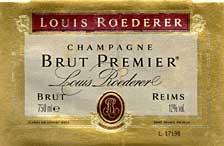
[logo]Roederer Champagne “Brut Premier” (Champagne) – Heavy on the brioche, setting a sort of dark brown mood. Traces of lusty red and orange fruit linger in the background, slightly timid in the presence of such dominant pastry. A good, if particular, Champagne. (1/07)

08 December 2006

TN: Toil, trouble

[BdB]Pierre Moncuit Champagne “Grand Cru” Brut Blanc de Blancs “Cuvée Pierre Moncuit-Delos” (Champagne) – Lemon curd dust and crisp green apple; incredibly clean at first, it quickly accumulates weight and bread-influenced complexity, yet never sheds its clarity or crispness. Pure palate excitement. (12/06)

Moët & Chandon Champagne Aÿ “Grand Cru” Brut Les Sarments d’Aÿ (Champagne) – 100% pinot noir. Strawberry and orange blossom, very floral and dark red in tone, with a hint of watermelon (perhaps even Jolly Rancher) brought out by the rouged acidity. Fascinating and unique, though not quite as strikingly magical as the pinot meunier version of this triply varietal set. (12/06)

12 November 2006

TN: Still more old notes

Gysler “Bundle of Scheu” 23 04 (Rheinhessen) – Off-dry dandelion pollen and other floral, leafy stuff of much unthinking goodness. (8/06)

Huet 2000 Vouvray Brut Pétillant (Loire) – Waxy and acidic with the faintest suggestion of bubbles, but otherwise giving up absolutely nothing. This is about as closed as a wine can be. (8/06)

Rodez Champagne Ambonnay “Grand Cru” Brut Blanc de Noirs (Champagne) – Soft strawberry and red cherry. The fruit is concentrated and almost liqueur-like, with sweet tones on the finish, and the overall impression is one of plushness. I’m not sure that’s an admirable quality here. (8/06)

Johannishof 2005 Johannisberg “G” Riesling Kabinett 010 06 (Rheingau) – Mixed heirloom apples dusted with nutmeg and ripe with piercing sweetness, turning quickly to overwhelming red fruit on the palate. There’s molten iron and a good deal of spice that emerges with air…as the wine gets redder and redder with each sip. Powerful stuff, though it bears about as much resemblance to a kabinett as does a Barossa shiraz. (8/06)

Lopez de Heredia “Viña Tondonia” 1989 Rioja Reserva “Viña Gravonia” (Center-North) – Dry toast with spiced butter and preserved lemon spread, dotted by buttered marshmallows. Long, with fine acidity and a drying element on the finish that eventually becomes a slight burn. Controversial, and though I finally decide that I like it, it’s definitely not for everyone. (8/06)

Trimbach 2000 Riesling “Cuvée Frédéric Émile” (Alsace) – Absolutely impenetrable, though it gives the impression of being nothing more than liquid minerality. Not even worth taking a peek at right now, but it should be much, much better in a half-dozen years. (8/06)

Mann 1998 Riesling Schlossberg (Alsace) – Intense, ripe and very dry banana skin shoved through a metal cylinder. It grows to an early climax, then quickly fades away, and the finish is surprisingly short. But from a site where most producers pursue some level of residual sugar, this wine is dry, dry, dry. (8/06)

Boxler 2000 Riesling Sommerberg “L31D” (Alsace) – Light sweetness…for Boxler, that is…backed by such terrific acidity that it really doesn’t register after the first sip. Otherwise, there’s a brilliantly-structured wine running the mineral gamut from coal to diamond, with ripe red apple and strawberry blossom. An extremely vertical riesling, with power and presence and many, many fantastic years ahead of it. (8/06)

25 September 2006

TN: Catching up

Apologies for the long delay between updates. Life called, and it wasn't bearing a case of La Tâche. Why does that never happen, anyway?

Ollivier “La Pépière” 2004 Muscadet Sèvre & Maine “Sur Lie” Moulin de la Gustaie (Loire) – Fresh and lively sea-breeze and apple, with complexing saltwater sand notes and dried white flowers. Somewhat mossy, yet as vivid as you’d want. A really interesting wine. (9/06)

Grape(s): melon de bourgogne. Alcohol: 12%. Closure: cork. Importer: Louis/Dressner/LDM. Web: http://www.filliatreau.fr/.

Unckrich 2005 Kallstadter Steinacker Grauer Burgunder Spätlese Trocken 013 06 (Pfalz) – Simple, slightly acrid pear squeezings (heavy on the skins) and faded grapefruit/lime soda, with nice acidity and a chalky undertone. It seems interesting at first, but after a while the realization sets in: it’s a little boring if taken in quantity. But “boring” doesn’t mean “bad,” and in fact this wine is tasty enough. (9/06)

Grape(s): grauer burgunder (a/k/a pinot gris). Alcohol: 13%. Closure: cork. Importer: Boston Wine. Web: http://www.filliatreau.fr/.

[Boulard]Boulard Champagne Mailly “Grand Cru” Brut (Champagne) – This is an older release, perhaps 1999/2000 or so. Deep, almost animalistic red fruit and black chanterelle aromas with a spicy, bready, brown-toned aura of brooding antagonism. It’s as forcefully flavorful as a fine red Burgundy, stronger-willed than most Champagnes, and seems fully mature. Striking wine. (9/06)

French bottling. Grape(s): 90% pinot noir, 10% chardonnay. Alcohol: 12%. Closure: cork. Web: http://www.champagne-boulard.fr/.

Gresser 2001 Riesling Duttenberg (Alsace) – Minerals through gauze, showing too much restraint and a thick, somewhat clumsy texture at first. This all resolves after an hour or so of air, and the wine’s minerality sharpens, turning to fine particulate glass in an overcast mood. All this indicates is that aging is most likely required. (9/06)

Grape(s): riesling. Alcohol: 12.5%. Closure: cork. Importer: Ideal. Web: http://www.gresser.fr/.

Karthäuserhof 1992 Eitelsbacher Karthäuserhofberg Riesling Spätlese (auction) 9 93 (Mosel-Saar-Ruwer) – Warring between its youthful crispness and its mature creaminess, this is a gorgeous soda of acid-washed quartz and bubbly cocktail lime. Perhaps even a brief shot of gin? Terrific riesling just on the other side of its midlife crisis.(9/06)

Grape(s): riesling. Alcohol: 7.5%. Closure: cork. Importer: Old Vine. Web: http://www.karthaeuserhof.com/.

R&V Dauvissat 1995 Chablis La Forest “1er Cru” (Chablis) – Blended herbal tea leaves with blackened crystal minerality and old stone fruit dusted with a cabinet full of faded spices. There’s old wood here too – not oak, but the antique smell of a great-grandfather’s desk – and a gorgeous, almost milky texture. Stunning. (9/06)

Grape(s): chardonnay. Alcohol: 13%. Closure: cork. Importer: Haas/Vineyard Brands. Web: http://www.filliatreau.fr/.

[Chapoutier]Chapoutier 1989 Hermitage (Ermitage) “Le Pavillon” (Rhône) – Medium-well leather and slow-cooked meat in a silky, sensuous, almost creamy wine full of soft, mouthfilling meatfruit and Provençal herbs. There’s so little structure than the creaminess turns somewhat flouncy on the palate, and one longs for a little muscularity, or at least assertiveness. Perhaps more importantly, there’s nothing about this that suggests any of the masculinity of great Hermitage. It’s a very good wine, but I’m not sure it’s a good representative of its appellation. (9/06)

Ermitage is an alternative form of Hermitage. Biodynamic. Grape(s): syrah. Alcohol: 13.5%. Closure: cork. Importer: Paterno. Web: http://www.chapoutier.com/.

[Chapoutier]Chapoutier 1994 Châteauneuf-du-Pape “La Bernardine” (Rhône) – Corked. (9/06)

Biodynamic. Grape(s): grenache & syrah. Alcohol: 13.8%. Closure: cork. Importer: Paterno. Web: http://www.chapoutier.com/.

12 September 2006

TN: Another terrific No. 9 Park tasting menu

A tasting menu at No. 9 Park…28 August 2006.

Roederer Champagne “Brut Premier” (Champagne) – Intellectual, earth-driven but satiny stone fruit (minus most the fruit) with a gentle, yet inexorable persistence. Very thoughtful bubbly. Served with: ultra-thin-sliced smoked lobster sashimi with grapefruit, avocado and cilantro. The wine and the food stand essentially apart here.

Cusamano 2005 Sicilia Rosato (Sicily) – Made from nerello mascalese. Big, broad-shouldered raspberry and maraschino cherry fruit with a keening, fresh flower aroma. It’s simple alone, but with food it almost explodes with additional complexities. This is an inspired match. Served with: seared yellowfin tuna (about as pure and wonderful as this fish could ever be) with a brilliant marmalade of heirloom tomatoes lent smokiness by chorizo, which infuses the marmalade and adds a textural counterpoint in little crisp bits perched atop the cubes of fish.

Schrock 2005 Ried Vogelsang (Neusiedlersee) – A blend that’s a bit at war with itself, showing lots of interesting characteristics that seem to have absolutely nothing to do with each other: crisp acidity, juicy/lemony sprightliness, herbal grassiness, spicy headiness…it’s a bunch of smart people, all talking past each other. Served with: day boat scallops on a purée of curried cauliflower (possibly the single best expression of this vegetable I’ve ever tasted) and crispy little bursts of fried tapioca. This isn’t much of a marriage, though the wine does no actual harm to the food.

Faiveley 2003 Bourgogne Rouge (Burgundy) – Cranky, rough, ungenerous and difficult, with wan suggestions of something that might once have been red fruit buried under clumsy, off-putting tannin. A last-minute replacement due to a chef deglazing with red wine rather than the intended white, and not a very successful one. Served with: handmade orechiette, flawlessly pressed and cooked, with a Burgundian snail ragout that works rich, earthy wonders on the palate. A better red Burgundy would be magical here.

Lustau Almacenista Palo Cortado Sherry “Vides” 1/50 (Jerez) – Dark, fire-roasted nuts that consistently suggest sweetness, but never quite achieve it, settling instead for an intense, warming richness. The alcohol is a little more intrusive than normal, and it negatively affects the food pairing. Served with: seared La Belle Farms foie gras with golden raisins, almond praline and balsamic vinegar. The dish is flawless, but the wine only goes well with the accompaniments; the alcohol buries the delicacy of the foie gras. It’s an adventurous notion, but ultimately an unsuccessful one.

Vajra 2004 Dolcetto d’Alba Coste & Fossati (Piedmont) – Delicious. Sneaks up quietly at first, with light blackberry dust and a slightly exuberant structure, but soon fills out with gorgeous mixed bouquets of freshly-picked wildflowers and an earthy, morel-infused bottom end. Very, very agile with food. Served with: softly-seared Pekin dust breast with “melted” strawberries, honey, and perfectly bitter counterpoints of red shiso. This is an inspired match.

Les Pallières 2003 Gigondas (Rhône) – A heavy, ponderous stew of garrigue, leather and dark, smoky fruit overladen with tannin. The wine is chewy, and that’s not a compliment. It’s one of the better 2003 Rhônes I’ve tasted, though that’s certainly faint praise at best. Still, there are terrific raw materials underneath the sludge, and it’s possible that a few centuries of aging will resolve matters. Or, more likely, not. Served with: roasted lamb loin with a truffle “fondue” and leeks, dusted with thyme. The food actually helps tame some of the glue-like tannin in the wine, but the price paid is a diminution of the elegant earthiness found in the truffles.

A palate-cleansing celery sorbet is audaciously magnificent.

Pieropan 2001 Recioto di Soave Classico Le Colombare (Veneto) – A stunning wine, full of concentrated peach, orange rind and iron shot through with flowers and perfumes from some mythical Orient. Powerfully sweet, but with flawless balancing acidity, and as long as one would ever wish a wine to be. Majestic. Served with: blueberry and crème fraîche soup with a carrot “confit,” white chocolate, and anise hyssop garnish. The dish doesn’t sound like it should work, but in fact it’s some sort of revelatory symphony of summer flavors; and the wine, which also doesn’t seem like it should work with this mélange, soars above the music in perfect harmony. There’s real genius behind this pairing.

Garitina 2005 Brachetto d’Acqui “Niades” (Piedmont) – The usual bright red fruit, frothed (though so lightly as to be almost unnoticeably effervescent) and given just a touch of late-palate bitterness. Simple fun. Served with: a warm chocolate tart with chocolate sorbet and “wilted” grapes. The latter seem superfluous, like a half-hearted nod towards molecular gastronomy, but everything else on the plate is superb and properly undersweetened, which helps the wine dance around the edges. Of all the wines alleged to pair well with chocolate, I think brachetto may be the only one that really does so.

28 August 2006

TN: Y not?

[Yalumba]Yalumba “Y Series” 2005 Viognier (South Australia) – Simple, relatively clean stone fruit with floral enhancements. It lacks exoticism and complexity, but neither is it heavy. A decent wine. (8/06)

Viognier’s appeal lies in its overtly floral, honeysuckle-and-peach fruit…but to achieve these qualities, it’s often necessary to let the fruit hang, which leads to its most significant problem: high alcohol, lending any resulting wine a heavy, ponderous texture. Unfortunately, it’s a rare site and winemaker than can avoid the latter while achieving the former. Thankfully, the wine is at least pleasant when presented in its less ripe form…as long as it’s not buried in new wood, which this wine is not. Alcohol: 14.5%. Closure: screwcap. Web: http://www.yalumba.com/.

Cane 2004 Dolceacqua “Superiore” Vigneto Arcagna (Liguria) – Compelling but slightly harsh red fruit, tarted up by sour cherry acid and wet bark, but stuffed with fruit dust aromatics. It’s a particular, almost dying sort of style that might not find purchase in our modern world…but with higher acid food, it really shines. People tend to decry the existence of “food wines,” but this – properly paired – is the sort of thing that makes them look foolish. (8/06)

This is made from rossese grown west of Genoa, right up against the French border. Ligurian wines don’t make much, if any, impact on the international marketplace – even the fame of Cinque Terre can’t change that – so it’s interesting to see this on local shelves. The internationalization of wine works its nefariousness in two ways: by forcing wines of this type into new wood and smoothing textural deformations, and by keeping wines of this type out of the marketplace entirely. But this…this is what wine used to taste like. Not a cocktail, but a partner at the table. Alcohol: 13.5%. Closure: cork. Importer: Adonna.

[Texier]Texier 1998 Côtes-du-Rhône Brézème (Rhône) – Extremely sweaty leather and beef juice with sun-charred rocks and spiky, jarring acidity. It smells terrific, but the acid – even when one is expecting it, which anyone familiar with this wine should be – is occasionally shocking. Still, it appears to have reached some sort of peak, and with the inconsistencies introduced by its synthetic cork I wouldn’t dare hold it any longer. (8/06)

100% syrah. Texier’s Brézème is the only wine from this site that I’ve tasted, though I’ve been led to believe that high acidity is a site characteristic. It’s certainly jarring, and definitely not for everyone…even acid-lovers like myself. With the right food – something higher-acid than the normal syrah fare, perhaps game or a roast with onions or tomatoes in the mix, or why not lamb in a Greek-style avgolemono sauce? – things improve quite a bit. Closure: extruded synthetic. Importer: Louis/Dressner/LDM. Web: http://www.adonkeyandgoat.com/texier/.

[Guigal]Guigal 2000 Côte-Rôtie Brune et Blonde (Rhône) – Solid and dependable, showing mild animalistic funk smoothed over by dark, earthy, baritone fruit and a few alto incursions of blackberry residue. Everything is very strictly in place here, and the wine is aging nicely, but one perhaps wishes for a bit more verve, and certainly for a good deal more aromatic enticement. Nitpicking, I know. (8/06)

96% syrah, 4% viognier. Guigal, long a dependable producer of representative wines (aside from their expensive and frequently overwooded luxury cuvées), goes through ups and downs. Lately, they’re on a definite upswing, with qualitative improvements obvious almost across the board. Name the appellation and there’s certainly a “better” example, but the wines are once more steady-handed representatives of their terroir. (Note, though, the usual caveat: be wary of 2002/2003 wines, which are difficult for different reasons.) Closure: cork. Importer: Ex Cellars. Web: http://www.guigal.com/.

[Tendresse]Milan Champagne Sec “Grand Cru” Blanc de Blancs “Tendresse” (Champagne) – Lightly sweet melon and yellow raspberry, gently oscillating in a dish of pure, sweet sunlight. There are hints of complexing minerality here, but this is really one of the nicer sweet Champagnes I’ve ever tasted. (8/06)
100% chardonnay. Despite the literal translation of the word, “sec” in terms of Champagne means relatively sweet. Though it’s often-rumored (and occasionally confirmed) that Champagne houses sweeten all their cuvées for the American market – because after all, you’ll never go broke selling sugar to Americans – categories other than brut (dry) and extra-dry (slightly less dry…yeah, yeah, go figure) are exceedingly rare in the States. This is probably because Americans like to think they’re drinking dry, even when they prefer sweet. (If you think about it, this is the same concept behind Starbucks and Trojan eschewing anything labeled “small.”) It’s too bad, too, because I think this wine would be very, very popular in the States, if people would only try it. Closure: cork. Importer: Theise/Skurnik. Web: http://www.champagne-milan.com/.

11 January 2006

Drinking with Dick

Ringing in the new year with friends, food, wine, and Mr. Clark's famous dropping ball:

André Blanck 2002 Riesling Schlossberg “Vieilles Vignes” (Alsace) – Two bottles tasted, with consistent notes. Clean, wet industrial metals with dried grapefruit rind and a slightly acridity. It’s full-bodied and hollow at the same time; not because it lacks a midpalate, but because it just doesn’t “say” much of anything. Perhaps age will improve things.

The Schlossberg, a grand cru vineyard situated above the towns of Kientzheim and Kaysersberg (and a very pretty, if rough-hewn, slope), is best known for its rieslings…less so for its gewürztraminers…but it’s a site I’ve never entirely warmed to. There’s a force to the wines similar to those from Brand (another grand cru vineyard), but it too often seems that the force overwhelms complexity and nervosity. It’s not a producer-specific problem, because the site is worked by producers of varying styles (Weinbach, Mann, Sparr and Paul Blanck are the most famous), but while the wines are often very, very good, they rarely reach the pinnacles of certain other sites. It could just be personal preference at work, of course; most others seem to adore these wines, and it would be hard to argue persuasively against the high quality of the best Schlossberg rieslings of Weinbach and Paul Blanck. But I wonder if there isn’t something about the combination of searing sunlight (common to the entire south-facing band of vineyards here, including Altenbourg and Furstentum) and cooling air coming down from the Vosges via the Lapoutroie gap (Schlossberg is tucked right up into the Vosges foothills) that knocks these wines a little off-kilter, at least for my taste. Alcohol: 13.5%. Importer: Vineyard Road.

Bollinger Champagne Brut “Special Cuvée” (Champagne) – Two bottles tasted, with fairly consistent notes. Smoldering fall leaves and roasted cherry skins with fat peach and spice jar aromas and a thick texture offset by smooth pétillance. This is one of those rare NVs that actually needs age to come together; it’s a little hedonistic right now…almost slutty, in fact…and could use a little more refinement. That will come in time.

I admit it: I am an unrepentant Bollinger fan. I love pinot-dominated sparkling wine, and something about the combination of grapes, soils, and blending skill at Bollinger just tickles my Champagne fancy. I do wish the wine wasn’t so expensive, which causes it to be decidedly less than a house Champagne for me, but the quality is undeniable. Alcohol: 12%. Importer: Paterno Wines International. Web:
http://www.champagne-bollinger.fr/.

JJ Christoffel 1995 Erdener Treppchen Riesling Auslese ** 10 96 (Mosel-Saar-Ruwer) – Beautiful creamed iron dust and long-decayed pollen with hints of lemon-strawberry custard. Firm and well-structured, very sweet, and lacking just a bit of the edge that would push it into the stratospheric realms of riesling. But it’s still excellent.

Everyone’s waiting to see what’s going to happen to this venerable house now that it has changed hands. In the meantime, there remains a decent supply of older Christoffels from which to taste the real genius at work among the former ownership. Upper-level auslesen are rarely my favorite style of German riesling; I find “normal” auslesen (which are getting rarer by the year) to have better balance and verve, and full-on beerenauslesen to have more of the sweetness one wants in a true dessert wine. This two-star auslese, however, has always retained a certain poise despite the sugary palate weight, and for that I’ve gone to it time and again when needing a well-aged riesling to convert the uninitiated. Alcohol: 8%. Importer: Terry Theise/Milton S. Kronheim/J&H Selbach. Web:
http://www.moenchhof.de/.

Dubourdieu “Château Graville-Lacoste” 2003 Graves (Bordeaux) – Fruity gooseberry and lemon-lime with Granny Smith apple and a boisterous, attention-grabbing personality…only once it has your attention, it has very little to say.

Bottle after bottle, this wine reminds me of a New Zealand sauvignon blanc rather than a sauvignon/sémillon blend from the more restrained soils of Graves. Blame 2003. Alcohol: 12%. Importer: Kermit Lynch.

Papin-Chevalier “Château Pierre-Bise” 2002 Côteaux du Layon Rochefort Les Rayelles (Loire) – Stunning waxy/creamy chalk and honeysuckle with the most flawless texture of liquid silk and an endless, clean finish of delicate white nectarine and spice. Beautiful, with a long, long road ahead of it.

If you haven’t stocked up on 2002 Loires, you’re going to be sorry. Exquisite dessert wines of this quality are rare on the ground, and this particular botrytized chenin blanc does something the category rarely does: it tastes fantastic right out of the gate. Let me be clear about this: buy as much as you can afford, and then buy some more. Alcohol: 12.7%. Importer: Louis/Dressner/LDM.

Roederer Champagne Brut “Premier” (Champagne) – Full-bodied and red-fruited, though with a significant offset of ripe and sweet lemon, showing less assertive but cleaner and more focused than the Bollinger.

I’m not the only one to have occasionally expressed a preference for this house’s Mendocino County products over its authentic Champagnes. No doubt the effortless international market for Cristal, a cash cow if there ever was one, reduces the motivation for producing high-quality wine. Nonetheless, this is a fine Champagne for the short term; another pinot-dominated wine that is less of a dominating presence at table than the previously-noted Bollinger. What it lacks is a sort of forward-looking complexity; the apparent effort to achieve something beyond pleasant bubbly. Roederer Estate in California is unquestionably less elegant and clumsier in its fruit-forward expression, but at least there one gets the clear sense that aspirational winemaking is at play. Alcohol: 12%. Importer: Maisons Marques & Domaines. Web:
http://www.champagne-roederer.com/.

Charles Heidsieck 1996 Champagne Brut Rosé (Champagne) – Funky and very difficult, with some very advanced sweaty yeast notes coupled with tart red cherry and a somewhat indolent effervescence. It might just need more time.

Rosé Champagne walks a fine line, trying to retain its regional elegance and precision while embracing the powerful influences of blended red wine. It doesn’t always succeed, at least in youth (which is why the remarkably consistent Billecart-Salmon Rosé is so justifiably famous), and here’s an example of how it can fail. And yet, all the components are there, and from a solid house like Charles Heidsieck, one would expect ageability to take care of some of the current issues. Alcohol: 12%. Importer: Remy Amerique. Web: http://www.charlesheidsieck.com/.

Clos du Paradis “Domaine Viret” 2000 Côtes-du-Rhône-Villages Saint-Maurice “Cosmic” (Rhône) – Well-knit roasted plum and strawberry with hints of bubblegum, lavender and earth. Direct and to-the-point, though more complex than most wines of that description, with the potential for some limited aging but very little upside in doing so.

This remarkable winery produces a stunning lineup of differently-blended and sited wines from Saint-Maurice (home to them and a co-op, but no one else of note, at least on my last visit), all of which are rather forceful and (occasionally) impenetrable for a virtually-unknown village in the Côtes-du-Rhône. Plus, they’re expensive (again, in the context of an unknown appellation). What this means is that introducing the uninitiated to the domaine is problematic. The U.S. importer fought this by introducing this export-only cuvée, a grenache-dominated and “friendlier” product to provide immediate, and lower-cost, enticement on U.S. store shelves. I don’t know if the plan is working or not (the other bottlings still seem to be difficult sells), but I do know that I’ve bought cases of this wine in both its vintages. The ’99 was slightly better, but this is a quibble; good wine is good wine. Alcohol: 14.5%. Cosmocultural. Importer: Louis/Dressner/LDM. Web: http://www.domaine-viret.com/.

Clos-Fourtet “Martialis de Fourtet” 1997 Saint-Émilion (Bordeaux) – A beautiful wine at the beginning of its full maturity. Moist leather and dark, dried berries are coupled with dried thyme and pencil shavings (both the graphite and the cedary wood) in a beverage of elegance and balance. There’s still moderate and unresolved tannin, but the fruit is so nice right now that it might not be wise to wait too many more years.

I don’t drink a lot of merlot, but of course a good St-Émilion or Pomerol isn’t just a “merlot.” 1997 was a less than heralded vintage, but carefully selected bottles are drinking really nicely over the earlier term; perhaps few show any real notion of classic balance, but that hardly renders them undrinkable. The problem, as ever for Bordeaux, is that lesser wines from off-vintages (“lesser” by the definitions of the market, not qualitatively) are a very difficult thing to sell in a worldwide market where someone has always had an excellent year, and where fun and accessible wines are strewn like litter across the landscape. The Bordelais could compete more successfully if the wines were cheaper, but we all know that’s never going to happen. And so, we have wines like this: only the devoted (or the unwary) would buy them, and all but those few will miss out on the potential pleasures such wines can provide. Alcohol: 12.5%. French bottling. Web: http://www.closfourtet.com/.

Dow’s 1986 Single Year Tawny Porto “Reserve” (Douro) – Juiced plum candy and spiced figs with raw cane sugar squeezings and touches of cinnamon. Sweet, crisp and enticing, but without some of the extra complexity found in previous vintages of this wine.

I’ve often heard that the “English-owned” Port houses resist the term “colheita” (which is what this is; a vintage-dated tawny Port), but I haven’t done enough of a survey to verify the truth of the matter. What I do know is that this wine, in an earlier vintage (1982), is the one that opened my eyes to the lusciousness of aged colheitas, which are almost always cheaper and more accessible than their vintage-dated ruby brethren. Certainly, as pre-aged wines, they don’t require such overwhelming patience; one can just uncork and drink, and yet one isn’t getting a simplistic fruit bomb, but a delicious combination of tertiary wine complexities and spicy barrel influences. Alcohol: 20%. Importer: Premium Port Wines. Web: http://www.dows-port.com/.

10 January 2006

9 wines (or, actually, more...)

A holiday week dinner at Boston's justifiably-renowned No. 9 Park, with an eclectic selection of wines from the restaurant's brilliant wine director, Cat Silirie

Chartogne-Taillet Champagne Brut Rosé (Champagne) – Gorgeous, silky-creamy preserved apple and black fruit with yeasty complexity and pleasant minerality, both of which build and roll through the midpalate and finish. Beautiful Champagne in motion.

This is one of those grower-producer Champagnes that one hears about so often, and it’s also one of the best. There’s something more indefinably soulful about these vs. the big industrial names. Try it for yourself.

Alain Guillot Crémant de Bourgogne Blanc de Blancs (Burgundy) – Simpler and more direct, showing a character that’s either off-dry, botrytized, or possibly both (though I suppose it could also be an excess of leesiness), with straightforward grapefruit and green apple characteristics..

Crémant, a sort of catch-all French term for “sparkling wine not from Champagne” (though there are other possible terms as well), sells like crazy in France, but is a hard sell elsewhere. Primarily, this is because the wines – though unquestionably cheaper than Champagne – don’t really measure up. There are exceptions in each region, but those are also the wines that usually get snapped up by the local market. As for this particular crémant: other than the fact that this producer is situated in the Mâcon, and thus the grapes for this wine are likely to be from there, I know absolutely nothing about this bottle. Web: http://www.vignes-du-maynes.com/.

Bisson 2003 Cinque Terre “Marea” (Liguria) – Rushing mountain waterfalls full of minerality and midsummer bursts of ripe green fruit. 2003 has rendered this wine slightly less unique, but more fun to drink; a fair tradeoff, though I wouldn’t want to make it every year.

The Cinque Terre, not unlike the Côte d’Azur, has a bit of reputation for overpriced yet underperforming wines. This one isn’t exactly cheap ($24 or so), but neither does it underperform; less hot vintages are more enticingly floral/mineral, and there’s something unique and interesting here that’s worth the extra tariff. The grapes are vermentino, bosco and albarola, with extra time on the lees to add body and complexity.

Les Crêtes 2002 Torrette “vignes les toules” (Vallée d’Aoste) – Begins stale and cranky, but develops into an individualistic stunner, with raw iron blocks and vividly floral mixed berries. Fragrant and seductive, but not particularly feminine, this is a wine that takes some time to get to know, but rewards the effort a hundredfold.

Mostly petit rouge (a grape virtually limited to the Valle d’Aosta), grown in moraine, calcareous and sandy soils. One of the more unique wines I’ve tasted over the past year, and in fact I’m not sure I’ve ever tasted anything like it. Web: http://www.lescretesvins.it/.

Clos de Haute-Combes 2002 Juliénas “Cuvée Prestige” (Beaujolais) – Classic violet berries in agrodolce with a fairly firm, if not at all powerful, structure and a really gorgeous finish. Beyond food friendly; perhaps food-enrapturing, instead.

I’m not sure why I’ve been drinking so much Juliénas lately. Random chance, I guess. This one is decidedly prettier than either of the two Grangers recently consumed, and in fact is pretty much everything a person could want from cru Beaujolais.

Meix-Foulot 2000 Mercurey “1er Cru” (Burgundy) – Less pretty and a little sluttier than previous vintages, though it would be especially churlish to call it anything other than tasty. There’s some very slightly grating tannin that looms over the fruit a bit, but this should be a good deal of nice drinking over the short term.

A blend from premier cru multiple vineyards (Saumonts and Ropitons, one site advises), from a solidly consistent producer of lighter-styled Burgundy at a not-unreasonable price. That, in itself, is a major accomplishment.

Pibarnon 2001 Bandol (Provence) – Texturally lighter than the previous three wines, with funky horse sweat and vine-rotted, shriveled fruit; it’s good, but it’s a little hollow and shrill for the usual mourvèdre (and, probably brett) stink, and I wonder if it might not be in a difficult phase.

Mourvèdre can get stinkier, and it can get more forceful, but it achieves its personal pinnacle of a rustic sort of elegance in Bandol, the only Provençal appellation to really do much on the international stage. This wine’s a little odd, but one thing I’ve found to be true of Bandol is that the wines are almost always better with age. Web: http://www.pibarnon.fr/.

Schrock 2002 Ruster Ausbruch (Neusiedlersee-Huggenland) – Very thin at first, with clean but obvious crystallized citrus aromas. With air, however, it fills out to show lovely, fuller-bodied spice and sorbet characteristics with a succulent peach-candy finish.

An ausbruch must be made from shriveled, botrytized grapes picked at an exceedingly high level of ripeness. What this usually means is that the spicy/creamy botrytis notes overwhelm everything else; this isn’t a bad thing, but simple botrytis doesn’t have to be as expensive as these wines usually are. In this case, it’s the varietal characteristics of the pinot blanc and pinot gris grapes that first emerge, to be followed by the additional complexity of noble rot. This is a worthy accomplishment in itself, even though this bottling is far from the best that Ms. Schröck can do. Web: http://www.heidi-schroeck.com/.

Ferreira 1997 Vintage Porto (Douro) – Big, fruity, tannic and obvious; there is the very slightest hint of emerging spice, but fundamentally this is way, way too young.

I usually consider drinking young vintage Port a complete waste of time and money, and this wine does little to change that predisposition. There are plenty of fresh-tasting, blended ports if one craves berried exuberance, and tawnies from simplistic blends to majestic colheitas available if one wants instant complexity. But young vintage Port is rarely other than monolithic, so unless one’s purpose is evaluative, why waste the wine? Web: http://www.sogrape.pt/.

Pierre Ferrand Cognac 30-year “Sélection des Anges” (Cognac) – Unbelievable aromatics of barrel spice and long-aged fruit with very little intrusive heat; goes down much, much lighter than one might expect, then fills and warms again on the finish, with elegantly lingering touches of bitterness. Just beautiful.

I never used to like Cognac, thinking it wan and simplistic next to the Bas-Armagnac I preferred. Then an enthusiastic young salesperson came to Boston, showing the Ferrand and Gabriel & Andreu lines, and everything changed. Here were real digestifs, with character and differentiation and (pun intended) spirit. Plus, they remain underpriced vs. a universe of oversold but undermade “name” brands. What’s not to love? Web: http://le-cognac.com/pf/.

05 January 2006

The young and the fruitless

(Short excerpts from a longer narrative, which can be found here.)

Château de Fieuzal 1993 Pessac-Léognan (Bordeaux) - Full of pine needles and silty peat moss dust, with something in the licorice family – I proceed through fennel, anise, and pastis before finally arriving back at fennel fronds – with a brassy, tinny aspect.

Mumm NV Champagne Crémant de Cramant Blanc de Blancs (Champagne) - Of indeterminate age, but most definitely not a new release. Smells like a Dairy Queen chocolate shake, though there’s also a malted element to it and perhaps something more custardy from the Ocean City boardwalk would be a more appropriate descriptor. On the palate, there’s some bitter lemon and stingingly tart apple to balance things out, but the overall impression is of a sugary, confected ball of barely-bubbly strangeness.

Chapoutier 1989 Hermitage Blanc “Chante-Alouette” (Rhône) - Lemon peel and peanut oil on the palate, but nothing at all on the nose. It’s less than half a wine, though this performance doesn’t really surprise me from Chapoutier.

Chave 1996 Hermitage Blanc (Rhône) - Manzanilla sherry, creamy puréed earth and chestnuts, but nothing on the palate.

R. Lopez de Heredia “Viña Tondonia” 1989 Rioja “Reserva” “Viña Gravonia” – Still vivid and – say it ain’t so – possessing something that might easily be labeled fruit, which I point out should necessarily exclude it from our evening. Nonetheless, it’s nice, showing baked pear, baked peach, and a bright, spicy finish. By far the liveliest wine of the night so far.

R. Lopez de Heredia “Viña Tondonia” 1987 Rioja “Reserva” “Viña Tondonia” – The color…well, basically, there’s no way to describe the color other than “fill the cup, please.” Sour plum, blood orange blossoms and dried flower petals mark a long, complex, and surprisingly pretty wine. Pretty, but with a lot of depth, and probably the best wine of the night.

R. Lopez de Heredia “Viña Tondonia” 1976 Rioja “Gran Reserva” “Viña Gravonia” – Dark brown, with caramel laced with cidered apple and baked potato. It’s juicy and long, with pretty decent acidity, but it’s also rather heavy and thudding, and I find myself going back to the ’87…as does the rest of the group…leaving a lot of this brooding and mud-colored wine still resting in its decanter.

Ramonteu “Domaine Cauhapé” 2001 Jurançon “Symphonie de Novembre” (Southwest France) - Tasty but “off” in comparison to an earlier bottle, and I wonder aloud if it isn’t some of that “romantic and traditional” cork variation that we all know and love (at least it’s not also-much-beloved cork taint). There’s very slightly oxidized sweet spiced peach, bitter skins and light botrytis spice with a balanced, drying finish…but all the lushness of this wine is under some sort of shroud.

Donaldson Family “Pegasus Bay” 1999 “Finale” (Waipara) is much better, showing creamy sweet tangerine, orange, spicy wood and noble rot influences, and a luscious balance and texture.